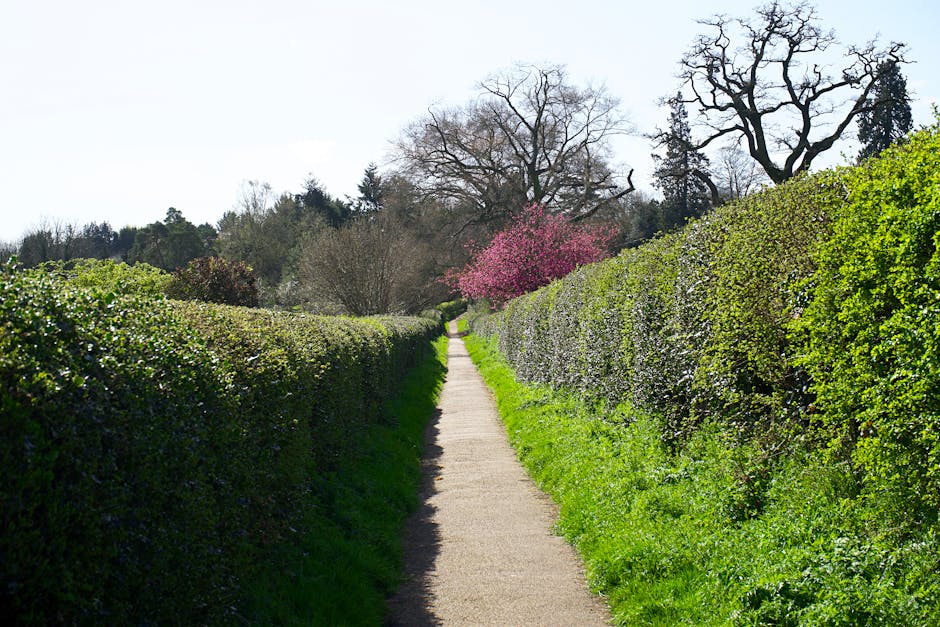
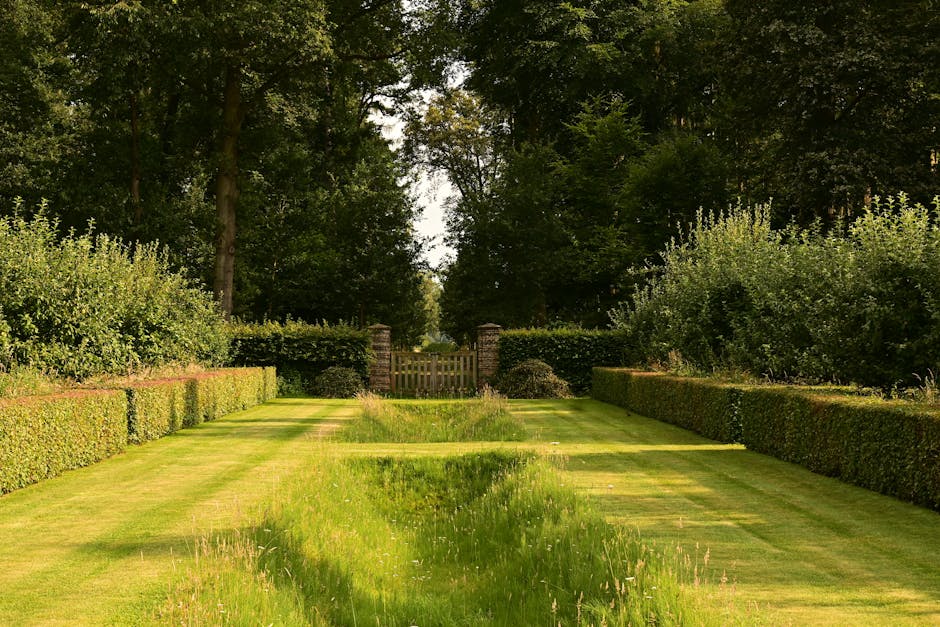
Bushy Park Boundary Gardens Advice from Local Gardeners
If you live near Bushy Park, boundary planting is never just "a bit of greenery." It is the line between privacy and exposure, wind shelter and damage, kerb appeal and a garden that feels unfinished. Bushy Park boundary gardens advice from local gardeners is especially useful because the local conditions are a mix of open park edges, passing foot traffic, mature trees, seasonal gusts and the everyday realities of London garden life. Get the boundary right and the whole garden feels calmer. Get it wrong and, well, you notice every flaw every time you step outside.
In this guide, we bring together practical, grounded advice for choosing, planting and maintaining boundary gardens near Bushy Park. You will find what works, what tends to fail, where people trip up, and how to make sensible decisions without overcomplicating it. Along the way, we will also point you towards useful resources on hedge trimming in Hampton, routine garden maintenance, and professional gardening services if you decide your boundary needs a more hands-on reset.
Table of Contents
- Why Bushy Park boundary gardens advice from local gardeners matters
- How Bushy Park boundary gardens advice from local gardeners works
- Key benefits and practical advantages
- Who this is for and when it makes sense
- Step-by-step guidance
- Expert tips for better results
- Common mistakes to avoid
- Tools, resources and recommendations
- Law, compliance, standards, or best practice
- Options, methods, or comparison table
- Case study or real-world example
- Practical checklist
- Conclusion
- Frequently asked questions
Why Bushy Park boundary gardens advice from local gardeners Matters
Boundary gardens around Bushy Park sit in a very specific kind of environment. They are often exposed to open views, changing wind patterns and the kind of seasonal pressure that makes some plants sulk and others absolutely thrive. Local gardeners tend to notice the same pattern again and again: people start with a nice idea for privacy, then realise the boundary also needs structure, drainage awareness, long-term maintenance and a planting style that suits the setting rather than fighting it.
That is why local advice matters. A hedge that looks great in a sheltered suburban back garden may behave very differently beside an open boundary. A border that needs little watering in one part of London might struggle in another. And if your boundary line runs close to a wall, fence or neighbour's planting, the spacing and root behaviour become far more important than most people expect.
To be fair, many boundary problems do not look serious at the start. It might be a thin patch where wind keeps knocking plants back, or a hedge that is growing faster than expected and becoming a maintenance chore. Then six months later you are trying to rescue a line of tired shrubs while ivy creeps in and the whole thing feels more complicated than it should. Local gardeners often solve this by thinking in layers: height, density, root competition and upkeep.
If you are already dealing with overgrowth or a boundary that has lost its shape, it can help to look at guidance on controlling stubborn ivy growth and keeping weeds under control. Those issues often show up first at the edge of a garden, not in the middle.
How Bushy Park boundary gardens advice from local gardeners Works
The basic idea is simple: build a boundary that performs well visually and horticulturally, not just one that looks neat on day one. Around Bushy Park, that usually means selecting plants and structures that can cope with exposure, some shade from mature trees, and the reality that boundary areas often dry out faster or compete for nutrients more heavily than central beds.
Local gardeners usually start by assessing four things:
- Sun and shade across the boundary through the day
- Wind exposure, especially in open or elevated spots
- Soil condition and drainage near fences, walls or compacted edges
- Desired function, such as privacy, screening, wildlife value or simple definition
From there, the boundary is treated as a system. A hedge may provide height, but lower planting can soften the base. A fence may mark a line, but climbers can disguise harsh surfaces. Ground cover can reduce bare soil and help with moisture retention. It is a small ecosystem, really, and once you see it that way the choices make more sense.
That also explains why some gardens around Bushy Park look instantly settled while others feel a little stark. The settled ones usually combine vertical structure, mid-layer planting and a ground layer that ties everything together. If you want examples of those supporting layers, you might find the following useful: privacy hedging ideas, ground cover plant ideas, and evergreen climbers for shaded spaces.
Key Benefits and Practical Advantages
Well-planned boundary planting does more than hide a fence. It changes how the whole garden feels. In practical terms, the benefits are easy to recognise once they are in place.
- Better privacy without making the garden feel boxed in
- Improved shelter from wind, which helps neighbouring planting as well as your own
- Cleaner lines and a more finished look around the perimeter
- Reduced soil exposure, which can help limit weeds and moisture loss
- More wildlife value through flowers, berries, cover and nesting opportunities
- Higher everyday usability, because a boundary that feels calm makes the garden more inviting
There is also a quieter benefit people sometimes miss: the boundary sets the tone. If it is dense, balanced and well kept, the whole space reads as intentional. If it is patchy or overcrowded, the garden can feel restless. It is a bit like framing a picture badly. You may not notice why it feels off, but you do notice that something is off.
For families, pet owners and people who actually use the garden day to day, boundary planting can make the space feel safer and less exposed. If that matters to you, you may also want to explore dog-friendly garden planning and garden ideas for young explorers so the boundary works with the rest of the space rather than against it.
Who This Is For and When It Makes Sense
This kind of advice is especially helpful if you are dealing with one of the following situations:
- Your boundary feels too exposed to passers-by or neighbouring windows
- Wind keeps damaging soft planting near the edge
- Existing hedges are thin, overgrown or hard to maintain
- You have a fence or wall that looks harsh and dominates the garden
- You want a neater, calmer look without a full redesign
- You are planning a new garden layout and want the edge sorted first
It also makes sense if you are already investing in the rest of the garden. A new seating area, for instance, looks far better when the border behind it is sorted. Same with a patio or deck. A boundary line that is nicely softened can make even a modest garden feel more generous. If you are thinking in those terms, comfortable seating spaces and decking services can fit neatly into the same planning conversation.
On the other hand, if your boundary area is shaded by mature trees or stays damp, it may be a poor place for thirsty planting or species that want full sun. That is where local judgement helps. A garden can look brilliant in a magazine spread and still be a poor match for your exact spot. Bit annoying, but true.
Step-by-Step Guidance
Here is the practical sequence local gardeners usually follow when improving boundary gardens near Bushy Park.
- Walk the boundary at different times of day. Look at sun, shade, damp spots, wind corridors and awkward corners. Morning light can be very different from late afternoon light.
- Decide the boundary's main job. Is it privacy, screening, wildlife, a visual frame, or all four? This choice shapes every plant decision.
- Check the existing structure. See whether the fence, wall or trellis is sound enough to support climbers or whether it needs repair first. If the structure is failing, there is no point dressing it up.
- Improve the soil edge. Boundary soil is often compacted and tired. Loosen it, add organic matter and remove persistent weeds before planting. Guidance on building fertile ground from organic residue can help if your soil is thin or depleted.
- Choose the right planting style. Use hedges, climbers, shrubs or ground cover depending on the space and the visual effect you want.
- Plant with future size in mind. A small shrub today can become a maintenance headache in two years. Leave breathing room.
- Mulch and water properly. New boundary planting usually needs consistent attention at the start, especially through dry spells.
- Plan maintenance from the outset. Trimming, feeding and seasonal checks should be part of the design, not an afterthought.
One very practical tip: do not plant everything at the same height. A single rigid line can look stiff and unnatural. Staggering layers gives the boundary more movement and helps it feel less like a wall and more like a living edge.
Expert Tips for Better Results
Local gardeners tend to lean on a few principles that save time and frustration later.
1. Match the plant to the boundary's real conditions
Not the ideal conditions. The real ones. If the area is windy, choose robust planting and protect young specimens until established. If it is shaded, lean toward tolerant species rather than forcing sun-lovers to survive. If it is dry under tree cover, plan for competition. This sounds obvious, but it is where many boundary schemes go sideways.
2. Use height gradually
A boundary does not need to jump from low ground cover to a tall hedge overnight. Layering medium shrubs and climbers often gives a better, softer result. It also helps if you ever need to replace part of the planting later without starting from scratch.
3. Keep one eye on maintenance reality
If you dislike frequent trimming, avoid a design that only looks good with constant clipping. The most beautiful boundary is not always the most elaborate one; it is often the one you can keep tidy without it becoming a weekend saga.
4. Use climbers carefully
Climbers can be brilliant for softening walls and fences, especially in shaded areas. But they need a support system, and some varieties can become aggressive if left unchecked. If you want help choosing suitable climbing plants, the guide on evergreen climbers for shade is worth a look.
5. Think beyond the boundary line
What sits in front of the boundary matters too. A thin strip of planting, a path edge or a well-placed seat can make the whole garden feel more deliberate. That little transition zone is often where the magic happens. Or the mess, if neglected.
Common Mistakes to Avoid
Boundary planting often fails for very ordinary reasons. The good news is that these mistakes are avoidable.
- Planting too close together, which creates competition and poor air flow
- Ignoring mature size, so the boundary becomes overcrowded
- Choosing plants only for appearance without checking wind, shade or soil needs
- Skipping soil improvement and expecting new planting to thrive anyway
- Letting ivy or bramble spread unchecked
- Forgetting access for maintenance, which makes trimming and inspection awkward
- Overusing one plant type, which can make the border vulnerable if conditions change
A surprisingly common one: people hide a tired fence with a fast climber and then never check what is happening behind it. A year later, you have trapped moisture, hidden damage and a repair bill that could have been avoided. Not glamorous, but it happens.
If you already have a boundary that is badly tangled, the article on restoring an overgrown garden may help you reset the space before replanting properly.
Tools, Resources and Recommendations
You do not need a shed full of specialist kit to improve boundary gardens, but a few essentials make the job easier and safer.
- Sharp secateurs and hedge trimmers for clean cuts
- Spade, fork and hand trowel for soil preparation
- Mulch or compost to retain moisture and improve soil structure
- Canes, ties or trellis systems for climbers and young plants
- Gloves and eye protection when clearing thorny or woody growth
- Watering can or hose for establishment watering
For those who want to build the whole garden around the boundary more thoughtfully, it can help to combine your planting plan with broader maintenance support. Pages on lawn care, lawn mowing and patio cleaning are useful if the edge of the garden is meant to frame a cleaner, more polished overall space.
If your garden is small or the boundary area is awkward, don't overlook vertical solutions. A compact border, wall planting or trellis system can be smarter than cramming in shrubs that will outgrow the space. For tighter gardens, container gardening ideas can also give you flexibility while you work out the long-term layout.
Law, Compliance, Standards, or Best Practice
Boundary gardens are not only about design. In London, it is wise to think carefully about practical responsibilities too. If your planting sits near a shared boundary, fence line or neighbour's land, keep an eye on root spread, overhanging growth and access for maintenance. It is usually better to prevent disputes than to explain yourself later.
For taller hedges or substantial boundary trees, best practice is to check whether any local restrictions, ownership questions or safety concerns apply before making major changes. If tree work is needed, it should be handled cautiously and, where appropriate, by someone with the right experience. A boundary garden should never create a hazard by becoming too top-heavy, blocking visibility or dropping branches where people walk.
General UK gardening best practice also points to a few sensible habits:
- Keep plant growth away from structures where moisture could become a problem
- Inspect fences, walls and posts before planting climbers
- Maintain clear access for hedge trimming and repairs
- Avoid creating dense hiding spots where pests or persistent damp may build up
- Use safe working methods, especially with ladders, tools and power equipment
If safety is a concern, the site's own insurance and safety information and health and safety policy are sensible places to review before any larger project. For service terms and payment expectations, terms and conditions and payment and security are also worth checking.
Options, Methods, or Comparison Table
Not every boundary needs the same solution. Here is a simple comparison to help you think it through.
| Boundary method | Best for | Strengths | Watch-outs |
|---|---|---|---|
| Formal hedge | Privacy and a neat finish | Strong structure, classic look, good screening | Needs trimming and space to mature |
| Mixed shrub border | Softening a long edge | More seasonal interest, less rigid appearance | Can look untidy without planning |
| Climbers on fence or wall | Small spaces or bare structures | Efficient use of space, useful in shade | Needs support and ongoing control |
| Ground cover and low planting | Suppressing weeds and softening the base | Low profile, tidy, practical | Not enough on its own for privacy |
| Layered boundary design | Most domestic gardens near Bushy Park | Balanced, adaptable, visually rich | Needs a little more planning up front |
In most real gardens, the layered option wins. It is forgiving. If one plant struggles, the whole boundary does not collapse visually. That resilience matters more than people think.
Case Study or Real-World Example
A typical local example goes like this. A homeowner near Bushy Park had a back boundary that faced open air and occasional gusts. The fence was sound enough, but it looked plain, and the small border in front kept drying out. The owner first tried a few decorative shrubs, then realised they were getting battered by wind and struggling in the thin soil.
The fix was simple, not flashy. The border was cleared, the soil improved with compost, and the design was changed to a layered approach: a mix of robust evergreen structure, a couple of climbers to soften the fence and low planting at the front to cover bare soil. The hedge was kept lower than originally planned so it could be maintained without turning into a yearly ordeal. The result was not dramatic in the showy sense, but it felt much better. More settled. More private. Less like a temporary solution.
That is often the real goal with boundary gardens: not a magazine reveal, but a space that quietly works every month of the year. By late autumn, when the light drops and the wind has a sharper edge to it, that kind of design really earns its keep.
Practical Checklist
Use this checklist before you start planting or reshaping a boundary garden near Bushy Park.
- Have I checked sunlight, shade and wind across the boundary?
- Do I know whether I want privacy, screening, wildlife value or decoration?
- Is the fence, wall or support structure in decent condition?
- Have I improved the soil and removed persistent weeds?
- Have I chosen plants that suit the space, not just the look?
- Will the mature size still fit the boundary in three to five years?
- Is there enough room to access the edge for trimming and repair?
- Have I planned for watering and seasonal maintenance?
- Do I have a backup plan if one section fails or outgrows the design?
- Have I thought about the rest of the garden so the boundary complements it?
If you can tick most of those boxes, you are already ahead of the average starting point. Honestly, that matters more than chasing a perfect design.
Conclusion
Bushy Park boundary gardens advice from local gardeners comes down to one practical truth: the edge of the garden has to earn its place. It should do more than sit there. It should protect, frame, soften and settle the space around it. When you plan with local conditions in mind, the results tend to last longer and feel more natural.
The best boundary gardens are usually not the most expensive or the most complicated. They are the ones that suit the site, accept maintenance realistically and grow into themselves without constant rescue work. That is the sweet spot. And once you get there, the whole garden feels easier to live with.
If your boundary needs fresh thinking, tidy-up work or a more complete redesign, you can explore the wider support available through gardening services, landscaping, fencing and about the team to understand how a local approach can fit your space.
Get a free quote today and see how much you can save.
Frequently Asked Questions
What is the best boundary planting for gardens near Bushy Park?
In most cases, the best choice is a layered approach: a hedge or shrub structure for height, lower planting for softness and perhaps climbers where you want to disguise a fence or wall. The "best" option depends on exposure, shade and how much maintenance you are happy to do.
Should I choose a hedge or a fence-and-climber combination?
If privacy and structure are your main goals, a hedge gives a natural finish but needs trimming. A fence with climbers can be quicker to establish and works well in smaller spaces. Many local gardens use both, because a combination often gives the most balanced result.
How do I stop boundary planting from getting too messy?
Start with a clear plan, leave enough space for mature growth and choose plants you can realistically maintain. Regular hedge trimming and seasonal tidying are far easier than trying to rescue a crowded border later.
What plants cope well with windy boundary areas?
Robust, wind-tolerant plants usually do best, especially when young specimens are protected during establishment. Staking, mulching and planting in groups can help. If your boundary is very exposed, avoid fragile or top-heavy plants that will flop after the first blowy week.
Can I grow something useful as well as decorative at the boundary?
Yes, absolutely. Many people combine ornamental shrubs with herbs, edible climbers or berrying plants where conditions allow. Just make sure usefulness does not compromise the structure and long-term look of the border.
How often should a boundary hedge be trimmed?
That depends on species and growth rate, but most boundary hedges need at least seasonal attention. Fast-growing types may need more frequent trimming to stay neat and avoid encroaching on paths or neighbouring spaces.
What should I do if ivy has taken over the boundary?
Remove it carefully, cut it back in stages and check the support structure underneath. Ivy can hide issues in fences or walls, so it is worth being methodical rather than yanking at it all in one go. The guide on ivy control can be useful if the problem is already well established.
Is it worth improving the soil at the edge of the garden?
Yes. Boundary soil is often compacted, dry or depleted, and that can hold back the whole scheme. Adding compost, organic matter and mulch usually gives plants a much better start.
How do I make a boundary garden look good in winter?
Use evergreens, structural shrubs, climbers and some low planting that holds its shape. Winter is when a bare boundary looks especially hard, so a bit of year-round structure goes a long way.
What if I only have a narrow strip along the fence?
Use compact planting, ground cover, wall-trained climbers or containers rather than forcing in large shrubs. Narrow spaces can look excellent if they are planned carefully. The trick is restraint, not stuffing every inch with plants.
Do I need professional help for boundary garden work?
Not always. Many small boundary improvements are very manageable on your own. But if the area involves large hedges, difficult access, fence repairs or a complete redesign, getting professional help can save time and prevent costly mistakes.
How do I know when a boundary design is too ambitious?
If the design needs constant watering, frequent heavy trimming or more space than the boundary can realistically give, it is probably too ambitious. A good design should feel like it belongs to the garden, not like it is borrowing space from the future.