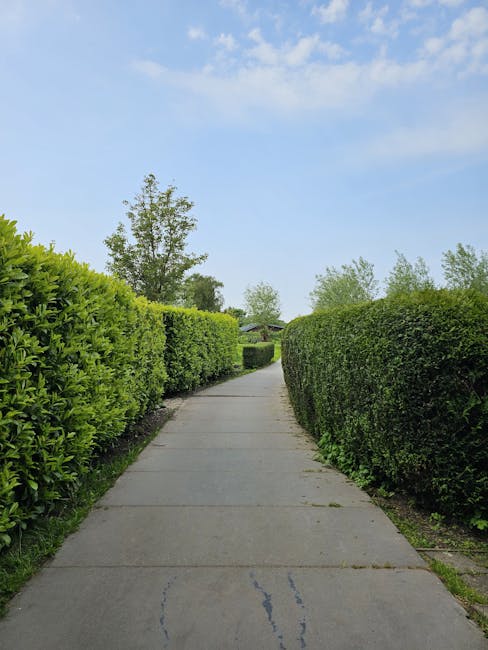
Richmond Council tree and hedge rules every gardener must follow

If you garden in Richmond, hedge trimming and tree care are not just a matter of keeping things neat. They can affect light, safety, neighbour relations, sightlines, wildlife, and sometimes even whether a job needs careful planning before you cut a single branch. The phrase Richmond Council tree and hedge rules every gardener must follow sounds formal, but in practice it comes down to a few sensible habits: know what grows where, check who owns what, trim at the right time, and avoid making a mess of something that should have been straightforward.
In our experience, most headaches start with good intentions. A hedge gets away from you after a wet spring. A tree leans over a boundary. Someone wants "just a quick reduction" before a family gathering. Then the neighbour notices, the debris piles up, and suddenly a simple weekend job feels oddly complicated. This guide breaks the subject down in plain English so you can handle it properly, protect your garden, and avoid the common mistakes that catch people out.
Why Richmond Council tree and hedge rules every gardener must follow Matters
Local tree and hedge rules matter because gardens do not exist in isolation. A tall hedge can block a footpath, a tree can overhang a road, and a poorly timed prune can leave birds without cover during nesting season. Even when a problem feels tiny from your side of the fence, it may be affecting a boundary, a pavement, or a neighbour's daylight. That is usually where disputes begin.
Richmond has a mix of established streets, mature gardens, and tightly packed homes, so trees and hedges often grow close to people, buildings, and shared edges. The practical result is that gardeners need to think beyond "can I cut it?" and ask "should I cut it now, how much, and what else might be affected?" A little caution goes a long way. Honestly, a lot of garden complaints could be prevented with a 10-minute check before starting the hedge trimmer.
It also matters for plant health. Heavy-handed cutting can stress hedges, expose bark, and trigger ugly regrowth. If you want a cleaner finish, you may find our guide on artistic hedge trimming ideas useful as a practical companion piece. It shows how shaping can stay tidy without becoming destructive.
How Richmond Council tree and hedge rules every gardener must follow Works
There are usually three layers to think about: ownership, local restrictions, and good horticultural practice. First, work out whether the tree or hedge is yours, shared, or someone else's. Second, check whether the plant is protected or part of a wider managed area. Third, decide on the safest and most suitable way to cut it.
For everyday gardeners, the process is usually less dramatic than people fear. If the hedge is on your side and unprotected, routine trimming is often straightforward. If a tree has a preservation constraint, sits near a boundary, or grows in a way that could affect the public realm, then a more careful approach is sensible. You do not need to become a planning expert overnight, but you do need to avoid guessing. Guessing is where expensive mistakes like to hide.
There is also a seasonal element. Many hedges can be cut back at several points in the year, but nesting birds, active growth, and weather all change what makes sense. A dry, still morning is very different from a windy afternoon with branches thrashing around like they have a point to prove. If weather is part of your challenge, our article on gardening in the wind is worth a look.
One more thing: overhanging growth and neighbours. In many cases, branches or hedge growth that crosses a boundary can be a source of friction. The best response is calm, measured, and documented. Keep communication polite. Keep records if a discussion becomes necessary. That sounds very grown-up, yes, but it saves a lot of grief.
Key Benefits and Practical Advantages
Following the rules is not just about avoiding hassle. It improves the garden itself.
- Cleaner structure: Hedges hold their shape better when trimmed with a plan rather than hacked back at random.
- Healthier plants: Trees and hedges recover better when cuts are timed and made cleanly.
- Fewer neighbour disputes: Clear boundaries and courteous maintenance reduce complaints.
- Better safety: Overgrown limbs and hedges can obscure paths, driveways, and sightlines.
- Less reactive work: Regular maintenance is cheaper and easier than a major rescue later.
There is a hidden benefit too: confidence. Once you understand the basics, you stop second-guessing every snip. You also get better at spotting when a task is a simple tidy-up and when it needs a more serious tree care approach. If the tree is large, awkward, or visibly compromised, it may be wiser to arrange proper help through professional tree surgery rather than pushing ahead with ladders and hope.
And let's face it, hope is not a maintenance strategy.
Who This Is For and When It Makes Sense
This guidance is for homeowners, tenants who manage a private garden, landlords, property managers, and anyone responsible for greenery near a boundary, pavement, driveway, or shared space. It is also useful for people who only do their own hedge work a few times a year and want to avoid turning a tidy-up into a complaint.
It makes particular sense if you are:
- cutting a hedge close to a neighbour's fence or wall
- managing a mature tree that overhangs a path or roof
- dealing with an evergreen hedge that grows fast and dense
- planning major pruning after a long period of neglect
- preparing a sale, tenancy inspection, or seasonal garden refresh
If your garden has become a little wild, that is not unusual. We see it often after wet spells or busy months. For broader clean-up work, our piece on rescuing a jungle-like garden offers a useful mindset: sort structure first, then refine the details.
This is also relevant if you want privacy without creating a maintenance monster. A dense hedge can be brilliant for screening, but only if you keep it under control. For planting ideas that are naturally suited to privacy, have a browse through hedges that work well for privacy.
Step-by-Step Guidance
Here is a sensible, low-drama way to handle tree and hedge work in Richmond.
- Identify the plant and its location. Is it a hedge, a boundary shrub, a street-facing tree, or a specimen tree in the garden?
- Check ownership. Look at deeds, boundary features, or shared maintenance agreements if needed. If it is on a boundary, do not assume it is entirely yours.
- Inspect the condition. Look for dead wood, split stems, storm damage, or signs of disease. If branches are brittle or hollow, take extra care.
- Choose the right timing. Avoid unnecessary cutting during nesting season or severe weather. Mild, dry conditions are usually easiest to manage.
- Plan the cut. Decide how much to reduce, what shape you want, and where waste will go. A clear plan saves time.
- Use the right tools. A sharp manual hedge trimmer, bypass loppers, pruning saw, and sturdy gloves often do the job better than a blunt power tool.
- Work safely. Use stable footing, avoid overreaching, and do not stand on makeshift supports. If the job feels awkward, stop there.
- Clear and tidy. Remove cuttings, check the boundary line, and look from a distance to spot uneven areas.
- Monitor regrowth. A neat hedge in March can look rather bold by June. Regular light trims are easier than one giant annual cut.
A useful practical habit is to walk the garden before and after cutting. Before, you spot what is safe to remove. After, you see whether anything now looks too exposed or too bare. That little pause makes a big difference.
For extra material on the plant side of things, our article on tackling ivy growth can help if your hedge or wall is being swallowed by climbers. Ivy behaves like it pays rent sometimes, so it deserves firm handling.
Expert Tips for Better Results
Good tree and hedge work is mostly about restraint. The best gardeners know when not to cut.
- Take off less than you think. You can always remove a little more, but you cannot reattach what is already on the compost heap.
- Keep the base slightly wider than the top. That helps light reach lower growth and stops the hedge from thinning out.
- Prune for the plant, not just for the view. A hedge can be shaped neatly while still keeping its natural framework.
- Check for birds and wildlife signs. If there is active nesting or obvious sheltering activity, pause and reassess.
- Use clean cuts. Ragged cuts invite stress and can make the plant look untidy for longer.
A small but useful tip: trim on a day when you can actually see the shape. Early light is often better than late glare. It sounds fussy, but you will notice the difference. A half-shadowed hedge can look straight in one moment and wonky the next.
If you are working with young or small-space gardens, do not overlook lower-growing solutions. Our piece on ideal ground cover plants for UK gardens can reduce the need for bulky boundaries in some layouts. In tighter spaces, that matters more than people expect.
Common Mistakes to Avoid
Most problems come from a short list of repeat offenders.
- Cutting too hard in one go. Severe reduction can leave hedges patchy and trees stressed.
- Ignoring the boundary. A branch overhanging next door is not automatically your private issue alone.
- Working in poor weather. Wind, rain, and slippery ground make the job slower and riskier.
- Using dull blades. Dull tools tear growth instead of cutting it.
- Skipping aftercare. Plants often need watering, mulching, or a season of gentle recovery after hard work.
- Forgetting disposal. Hedge waste builds fast. If you do not plan for it, the garden looks messier than before you started.
Another common slip is treating every hedge like the same species. They are not. Fast-growing evergreens, ornamental formal hedges, and older mixed boundaries all behave differently. A one-size-fits-all trim is usually a bad idea, though it does save people from thinking too hard for about five minutes.
If the overgrowth is already beyond normal maintenance, it may be better to reset the whole area with a structured approach through regular garden maintenance rather than keep chasing it with piecemeal cuts.
Tools, Resources and Recommendations
You do not need a shed full of equipment, but a few well-chosen tools make a huge difference.
| Tool or resource | Best use | Why it helps |
|---|---|---|
| Hand shears | Light hedge shaping | Gives better control on smaller or detailed jobs |
| Bypass loppers | Thicker stems and awkward shoots | Makes cleaner cuts than forcing snips |
| Pruning saw | Older wood and larger branches | Safer and neater for woody material |
| Gloves and eye protection | General hedge and tree work | Basic protection from thorns, dust, and flying fragments |
| Boundary notes or deeds | Ownership checks | Reduces confusion before any cut begins |
| Professional help | Large, awkward, or protected trees | Safer when the work is beyond routine maintenance |
For broader resilience, especially in exposed gardens, it helps to think beyond trimming alone. Our article on protecting gardens from weather threats is handy if your hedges catch the worst of the wind. And if you are improving a small outdoor layout at the same time, a look at container gardening for small spaces can help you balance structure with softness.
Law, Compliance, Standards, or Best Practice
In practice, compliance means acting carefully, keeping within the spirit of local expectations, and avoiding work that could damage protected trees, public areas, or neighbouring property. It also means recognising that some jobs should be checked before work starts, especially if a tree is mature, prominent, or close to a boundary where legal or safety issues may arise.
Best practice in Richmond gardens usually includes three things: identify ownership, respect nesting wildlife and seasonal sensitivity, and keep your cutting proportionate. If a hedge is being reduced for visibility, for example, that is different from trying to force a dramatic shape into something that has not been maintained for years. Different outcome, different risk.
There is also a safety side. Ladder use, overhead branches, and power tools all introduce risk. For that reason, many homeowners prefer to use a trained gardening team for anything beyond light shaping. You can review the company's safety stance through health and safety guidance and related service information before booking work.
When service quality, insurance, and process matter, it is worth checking how a provider operates. That kind of due diligence is not overcautious; it is sensible. If a job goes wrong, no one wants to be debating who was supposed to clear the fallen branch from the patio. Been there, seen that, cleaned up after it.
Options, Methods, or Comparison Table
Not every hedge or tree needs the same approach. Here is a simple comparison to help you choose the right method.
| Method | Best for | Pros | Trade-offs |
|---|---|---|---|
| Light routine trimming | Well-kept hedges and young growth | Fast, tidy, low stress | Needs regular repetition |
| Selective pruning | Mixed growth, shaping, and boundary control | Better plant health and form | Takes more judgement |
| Seasonal reduction | Overgrown hedges or trees needing reset | Creates a fresh structure | Can look sparse at first |
| Professional tree work | Large, high, or complex trees | Safer, more thorough, less guesswork | Usually costs more than DIY |
If your hedge is mainly about privacy, the right method also depends on how much screening you need year-round. Some people want a formal wall of green. Others want softer edges and seasonal texture. Both are valid. The trick is matching ambition to maintenance.
Case Study or Real-World Example
A fairly typical Richmond situation goes like this. A homeowner inherits a back garden with a mature hedge along the rear boundary. It has not been properly cut for a year or two, so it is leaning into the light, feathering out at the top, and dropping twiggy bits every time the wind picks up. The first instinct is to chop it hard and make it "tidy again".
Instead, a better approach is taken. The boundary is checked first. The hedge is then reduced gradually, with the top kept slightly narrower than the base and the worst crossing stems removed from the inside rather than just sheared from the outside. The result is not instantly perfect, but it is balanced, healthy, and much less likely to turn into a bare wall of sticks.
The same household also has a small side path that feels cramped, so they add a few well-chosen planted containers to soften the line and make the space feel calmer. That kind of layered approach is often the difference between "a job done" and "a garden that actually works".
It is a small thing, really. But small things shape how a garden feels every single day.
Practical Checklist
- Confirm whether the tree or hedge is yours, shared, or close to a boundary.
- Check whether the plant needs extra caution because of size, age, or location.
- Look for nesting birds, damage, disease, or dead wood before cutting.
- Choose a dry, calm day if possible.
- Use sharp, suitable tools and wear basic protection.
- Plan the cut before you begin.
- Keep hedges slightly wider at the bottom than the top.
- Remove waste promptly so the garden does not look unfinished.
- Speak to neighbours early if the work affects a shared boundary.
- Get professional help for tall, awkward, or risky trees.
If you want support with a bigger refresh, our service pages for hedge trimming in Hampton and broader gardening services can help you think through the next step without overcomplicating things.
Get a free quote today and see how much you can save.
Conclusion
Richmond Council tree and hedge rules every gardener must follow are really about care, judgement, and common sense. Once you understand the basics, the work becomes far less intimidating. You protect your own garden, keep neighbours on side, and avoid those irritating little mistakes that can turn a tidy hedge into a weekend regret.
Start with ownership, timing, and safety. Then work slowly, trim lightly, and keep the shape honest. That simple approach usually gives the best long-term results. Truth be told, the garden rewards patience more than bravado.
And if it feels like a lot, that is normal. Most good gardens are built one considered cut at a time.
Frequently Asked Questions
Do I need permission to cut a hedge in Richmond?
For routine hedge trimming on your own property, permission is often not needed, but you should still check ownership, boundaries, and whether the hedge is part of a protected or shared area before you start.
Can I cut branches that hang over my fence?
Usually, overhanging growth can be a boundary issue, but it is best to handle it carefully and avoid cutting beyond what is necessary. If the tree or hedge may be protected or disputed, pause and check first.
When is the best time to trim hedges?
The best time depends on the species and the condition of the plant, but calm, dry weather is usually preferable. It is also wise to avoid disturbing nesting birds or making major cuts during periods of active wildlife use.
What happens if I cut a tree too hard?
Heavy cutting can stress the tree, leave it looking patchy, and trigger weak regrowth. In some cases it can also create safety or health problems for the plant, which is why measured pruning is better.
How do I know if a tree is dangerous?
Look for split limbs, dead sections, hollow areas, visible lean, fungal growth, or movement that seems unusual. If anything looks unstable or the tree is large, it is safer to seek professional advice rather than guessing.
Are there rules about birds nesting in hedges?
Yes, birds and nesting activity are an important consideration. If you can see active nests or obvious wildlife use, avoid cutting until the situation is clear and the work can be done without disturbance.
What is the safest way to deal with an overgrown hedge?
Reduce it gradually, keep the shape balanced, and clear debris as you go. If the hedge is very tall or has been neglected for years, a staged approach or professional help is usually the smartest option.
Should I use electric hedge trimmers or manual tools?
Both can work well. Manual tools offer more control for smaller jobs, while powered trimmers help on larger hedges. The right choice depends on the size of the hedge, your experience, and how clean a finish you want.
What if my neighbour complains about my hedge?
Stay calm, listen carefully, and check the issue directly. In many cases, the problem is a boundary, shade, or overgrowth concern that can be resolved with a sensible trim and a polite conversation.
How often should hedges be maintained?
That depends on the species and the look you want. Fast-growing hedges may need attention several times a year, while slower-growing or more informal hedges may need less frequent work. Regular light trimming is usually easier than waiting too long.
Can I do tree work myself or should I hire someone?
Small pruning jobs are often manageable for confident gardeners, but large, high, awkward, or risky trees are better left to trained professionals. If ladders, height, or structural issues are involved, it is not worth taking chances.
What is the easiest way to keep boundaries tidy all year?
Use a small maintenance schedule rather than waiting for a big annual tidy-up. Pair light seasonal pruning with regular garden care so the hedge or tree never gets to the "too far gone" stage in the first place.